Tracing Connections Between Promotional Offers and Payment Flexibility in New Gaming Portals
Written by Sofia Carter · Oct 13, 2026
Tracing Connections Between Promotional Offers and Payment Flexibility in New Gaming Portals
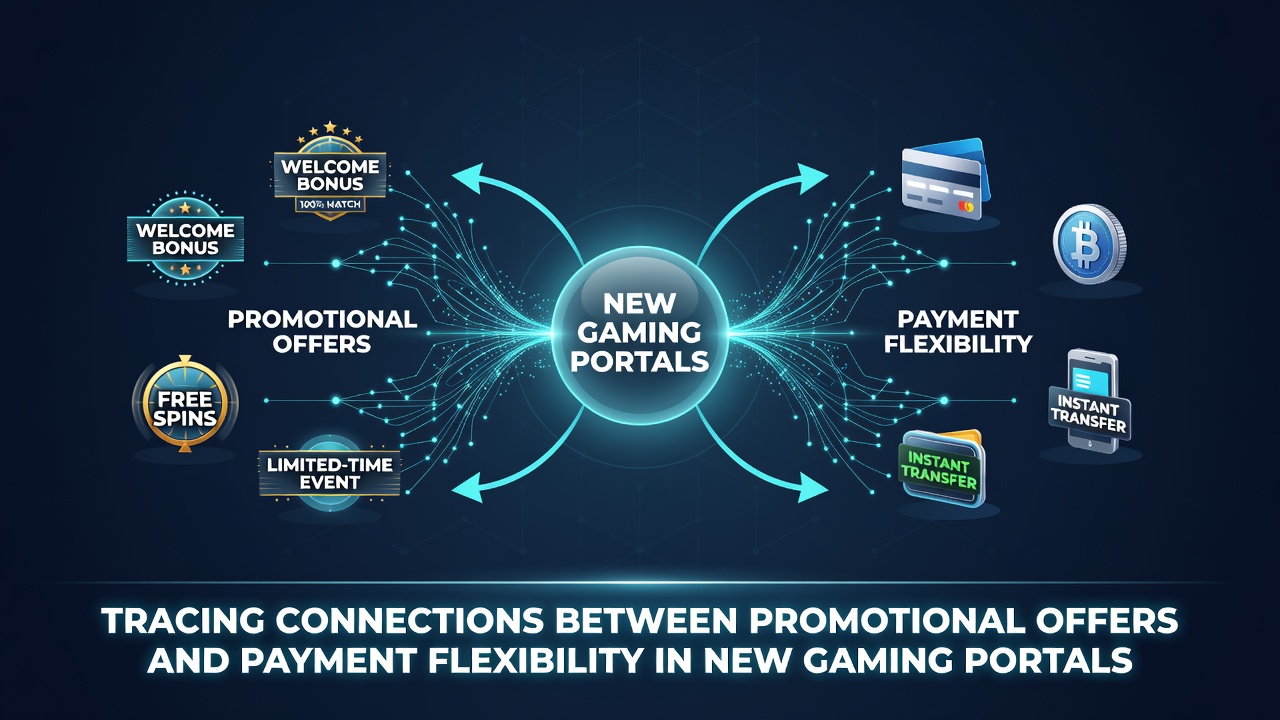
Promotional offers in new gaming portals often include deposit matches, free spins, and cashback arrangements that tie directly into the range of payment methods platforms make available to users, and observers note how these elements shape entry points for players across multiple regions.
Types of Promotional Structures
Many new portals structure welcome bonuses around specific payment choices, such as instant bank transfers or digital wallets, because those methods allow quicker verification and release of funds, while operators adjust terms like wagering requirements based on the speed and security of the chosen processor; research from academic institutions shows that portals launching in 2025 and 2026 frequently link bonus eligibility to payment flexibility to encourage repeat deposits.
Payment Flexibility Trends
Flexible payment options now extend beyond traditional cards to include e-wallets, prepaid vouchers, and cryptocurrency channels, and data released in October 2026 from regulatory bodies in Canada indicated that portals offering multiple deposit speeds saw higher average transaction volumes during promotional periods compared with sites limited to fewer methods.
Links Between Offers and Payment Choices
Operators design promotions so that certain bonuses activate only when players select from an approved list of flexible payment tools, and this approach stems from backend systems that track deposit origins to automate reward distribution, while analysts at the Victorian Commission for Gambling and Liquor Regulation have documented how such integrations reduce processing delays and increase the frequency of bonus claims across Australian markets.
Portals that support instant withdrawals alongside deposit bonuses tend to align promotional calendars with payment cycle updates, and figures from industry reports reveal that these alignments appear most often in platforms introduced after 2024 when regulatory frameworks in several jurisdictions began emphasizing consumer access to varied funding sources.
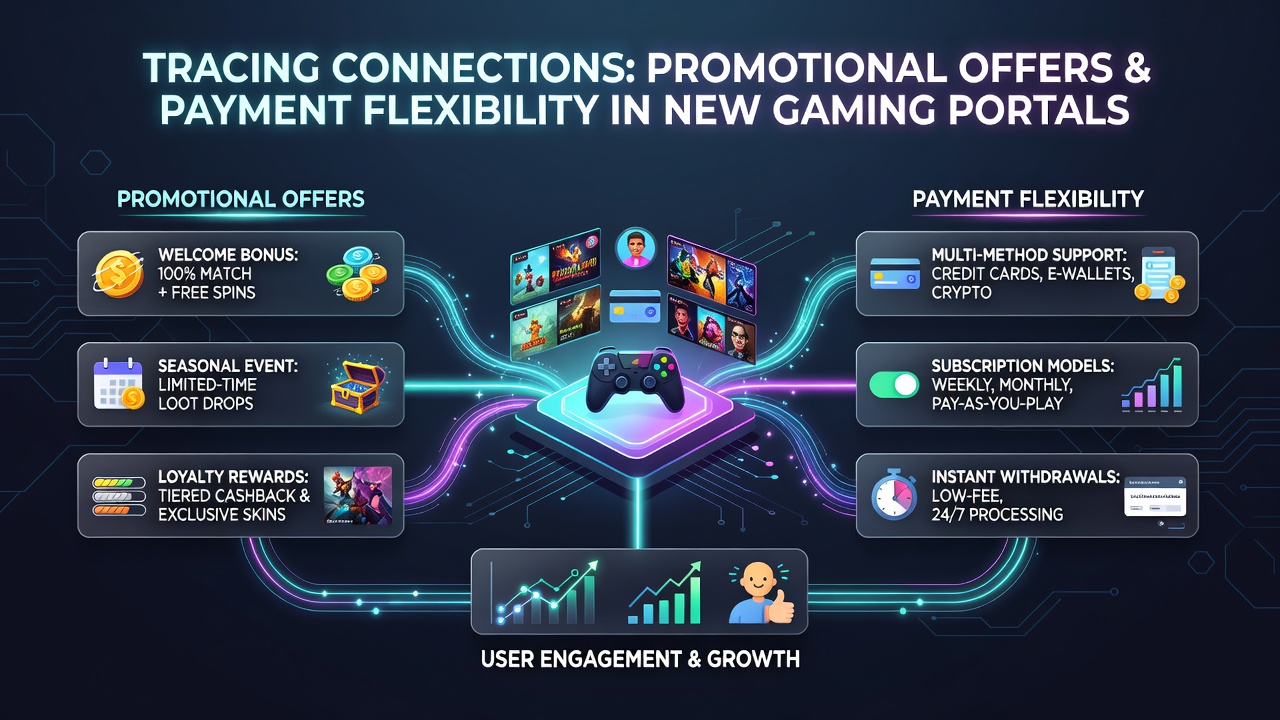
One pattern that emerges involves tiered rewards where higher deposit amounts via specific flexible methods unlock additional promotional layers, and those who have examined portal architectures find that these tiers rely on real-time API connections between payment providers and the bonus engine to verify eligibility without manual intervention.
Regional Regulatory Influences
European frameworks outside the UK have encouraged portals to disclose how promotional offers interact with payment timelines, and reports from the Malta Gaming Authority highlight cases where clearer payment flexibility led to measurable increases in player retention metrics during bonus campaigns run in 2026.
North American state regulators similarly track these connections, and statistics compiled by the New Jersey Division of Gaming Enforcement show that new portals incorporating multiple payment rails experienced faster uptake of promotional offers than those relying on single-method deposits.
Operational Implementation
Developers building new gaming portals integrate payment gateways with promotional databases so that bonus codes trigger automatically once a qualifying deposit clears, and this automation reduces errors while allowing operators to run simultaneous campaigns across different regions with varying payment preferences; examples from platform case studies demonstrate that such systems handle thousands of concurrent transactions during peak promotional windows without service interruptions.
Conclusion
Connections between promotional offers and payment flexibility continue to shape how new gaming portals attract and retain users, with data from multiple regulatory sources confirming that integrated approaches appear more frequently as platforms expand their technical capabilities in late 2026 and beyond.