Visual Layouts and Their Impact on Bonus Redemption Procedures in Bingo Software
Written by Nils Carter · Sep 29, 2026

Visual Layouts and Their Impact on Bonus Redemption Procedures in Bingo Software
Developers structure bingo applications around clear navigation paths that connect visual elements directly to reward systems, and data from industry reports indicate these connections shape how players complete redemption steps. Research from the Australian Communications and Media Authority shows that streamlined layouts reduce the number of taps required to activate promotional offers, while complex menu structures extend completion times across multiple device types.
Core Components of Interface Design in Bingo Platforms
Buttons, progress indicators, and confirmation screens form the backbone of most bingo interfaces, and observers note that placement of these elements determines whether a player reaches the final confirmation stage without interruption. Color contrasts and icon consistency guide attention toward claim options, whereas scattered menus often lead users to abandon the sequence midway through. Studies compiled by the University of Nevada, Las Vegas gaming research group reveal that applications using persistent floating action buttons maintain higher completion rates for bonus activation compared with those that hide options behind multiple layers.
Typography choices and spacing further influence readability during the redemption phase, especially when terms and conditions appear in modal windows that must load quickly on varying network speeds. Developers integrate tooltips that expand on hover or tap, providing eligibility details without forcing users to leave the main screen. This approach keeps the flow continuous and aligns visual hierarchy with the logical order of required actions.
Mechanics of Bonus Claim Sequences
Bonus claim processes typically follow a defined sequence that begins with eligibility verification and ends with credit allocation to the player account. The sequence incorporates account balance checks, wagering requirement displays, and final confirmation prompts, each tied to specific interface states. Data indicates that applications displaying real-time progress bars during verification steps experience fewer drop-offs, because users receive immediate feedback on system status.
Automated triggers, such as pop-up notifications triggered after a qualifying deposit, connect directly to backend validation systems. These triggers reduce manual navigation and rely on pre-filled forms that pull data from user profiles. Regulatory frameworks in regions including Ontario require clear disclosure of all conditions at each stage, and platforms comply by embedding expandable sections within the claim flow itself.
Interactions Between Layout Decisions and Redemption Success
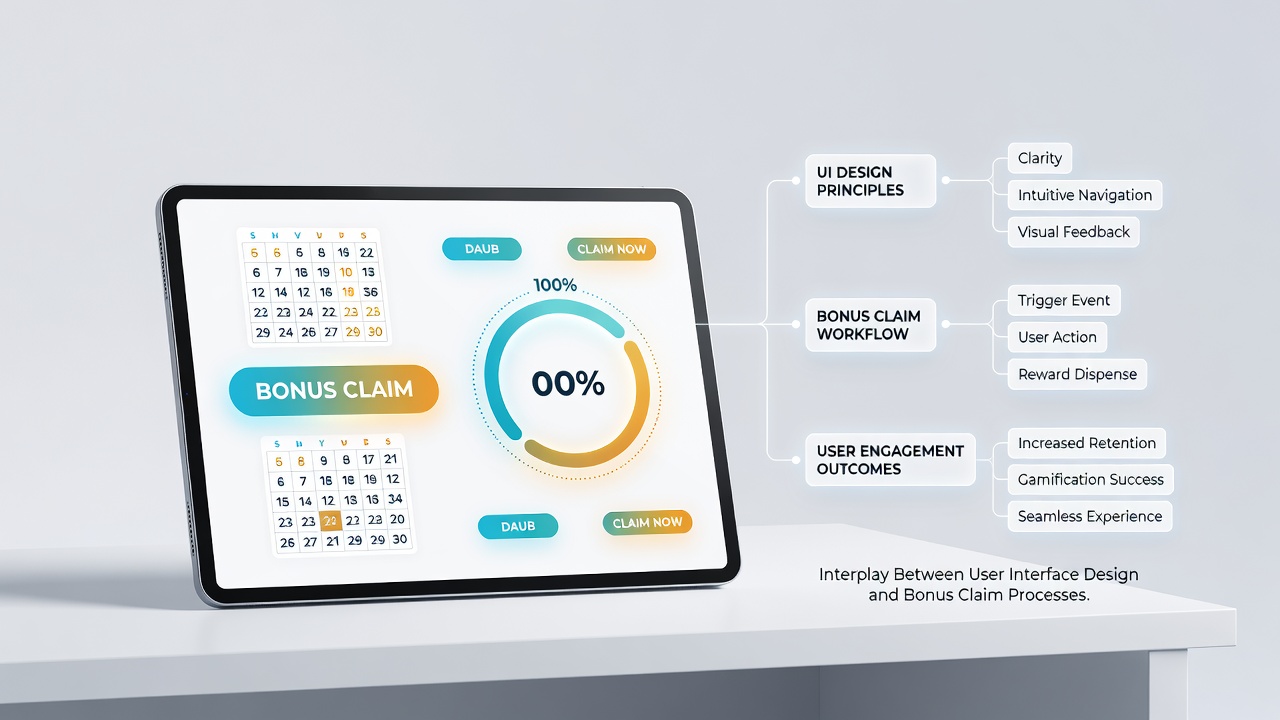
Layout decisions affect the speed and accuracy of each redemption step, since visual grouping of related actions prevents users from missing required fields. When designers cluster deposit history, bonus terms, and claim buttons within a single scrollable panel, completion rates rise according to aggregated platform analytics. Conversely, applications that separate these components across separate tabs force additional clicks that correlate with higher abandonment.
Responsive design adaptations for tablets and smartphones further modify these interactions, because touch targets must expand on smaller screens to accommodate finger input without accidental selections. September 2026 updates to several major bingo platforms introduced adaptive spacing algorithms that adjust element sizes based on detected device orientation, and early metrics suggest these changes stabilize claim completion across portrait and landscape modes.
Technical Integration and Accessibility Considerations
Backend systems feed live data into front-end displays through APIs that update bonus balances without requiring page reloads, and this real-time synchronization depends on efficient interface coding. Accessibility standards require sufficient contrast ratios and screen-reader compatibility for all interactive elements, ensuring that claim processes remain usable for individuals relying on assistive technologies. Observers have documented that platforms meeting these standards maintain broader user retention over extended periods.
Security layers, including two-factor authentication prompts embedded within the claim sequence, add verification steps without breaking visual continuity when implemented as inline overlays. Such integration prevents context switching that might otherwise interrupt the redemption momentum.
Conclusion
Interface design elements and bonus claim processes operate as interconnected systems within bingo applications, with each layout choice directly shaping the sequence of actions required for successful redemption. Evidence from multiple regulatory and academic sources demonstrates that coordinated visual and functional design produces measurable differences in completion metrics across user segments and device categories. Continued refinement of these connections supports consistent performance as platforms evolve through 2026 and beyond.